
 Español
 Portugues
 Pусский
 Français
 Deutsch
 العربية
 Türk dili
 Indonesia
 Tiếng Việt
fuel liquid tanker truck
Fuel liquid tanker trucks are specialized heavy-duty vehicles tailored for the bulk, overland transportation of flammable liquids, including gasoline, diesel, jet fuel, and other petroleum-based products. As a vital link in the global energy supply chain, they bridge fuel refineries, central storage depots, retail gas stations, and industrial power facilities, ensuring a steady delivery of energy resources that power daily life—from passenger vehicles to commercial fleets and manufacturing operations.The central component of these trucks is the large, cylindrical tank, constructed from durable carbon steel or lightweight corrosion-resistant aluminum alloy. This cylindrical shape is optimized to reduce aerodynamic drag and distribute weight evenly across the vehicle’s axles, aligning with strict road safety regulations to prevent instability. Most modern tanks are divided into multiple compartments by internal baffles, which serve two key purposes: increasing total carrying capacity and minimizing liquid sloshing during transit. Sloshing, a dangerous phenomenon where moving liquid shifts violently inside the tank, can cause sudden weight imbalances that lead to tipping or loss of control, making baffles non-negotiable for safe operation, especially when transporting high volumes of flammable cargo.Safety is the top priority for fuel tanker trucks, given their hazardous payload. They are equipped with specialized features like pressure relief valves to regulate internal tank pressure, preventing rupture from temperature fluctuations or overfilling. Grounding systems, such as metal chains or conductive cables, eliminate static electricity buildup—a major ignition risk for fuel vapors. Spark-resistant exterior components, reinforced bumpers, and side guards further protect the tank in collisions, while a locking hose assembly at the rear secures discharge lines during transport and includes an emergency valve to halt flow instantly if leaks occur.Operational protocols are stringent: loading and unloading require precise monitoring to avoid overfilling, while drivers follow pre-approved routes to minimize risk. Regular inspections of tank integrity, brake systems, and safety equipment are mandatory to comply with industry regulations. Without these specialized vehicles, moving large quantities of fuel efficiently and accessibly would be far more difficult, as rail and pipelines lack the flexibility to reach remote rural communities, urban neighborhoods, and industrial sites that depend on road-transported fuel. These trucks are a quiet backbone of modern energy distribution, balancing capacity, safety, and accessibility to keep societies running. (Word count: 498)
Products
Category:
-
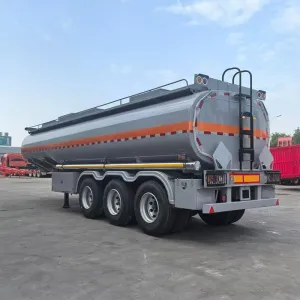
oil tank transport truck
Category: Oil tanker truckBrowse number: 531Number:Release time: 2026-06-12 11:19:39This tri-axle carbon steel dangerous goods tank semi-trailer features a 45,000L (45CBM) tank volume, specially designed for transporting gasoline, diesel, kerosene and other fuel oils, also compatible with low-density corrosive liquids. The tank body is welded from high-strength Q345 carbon steel with multi-independent compartment design, fully compliant with national dangerous goods transportation safety standards. Widely applied in long-distance logistics, oilfield distribution and bulk fuel supply for gas stations.
News
Category:
No search results found!
Case
Category:
No search results found!
Video
Category:
No search results found!
Download
Category:
No search results found!
Job
Category:
No search results found!
Featured Products
No search results found!



 Phone
Phone